
Healthcare providers have suggested some new, alternative protocols for treating soft tissue injuries
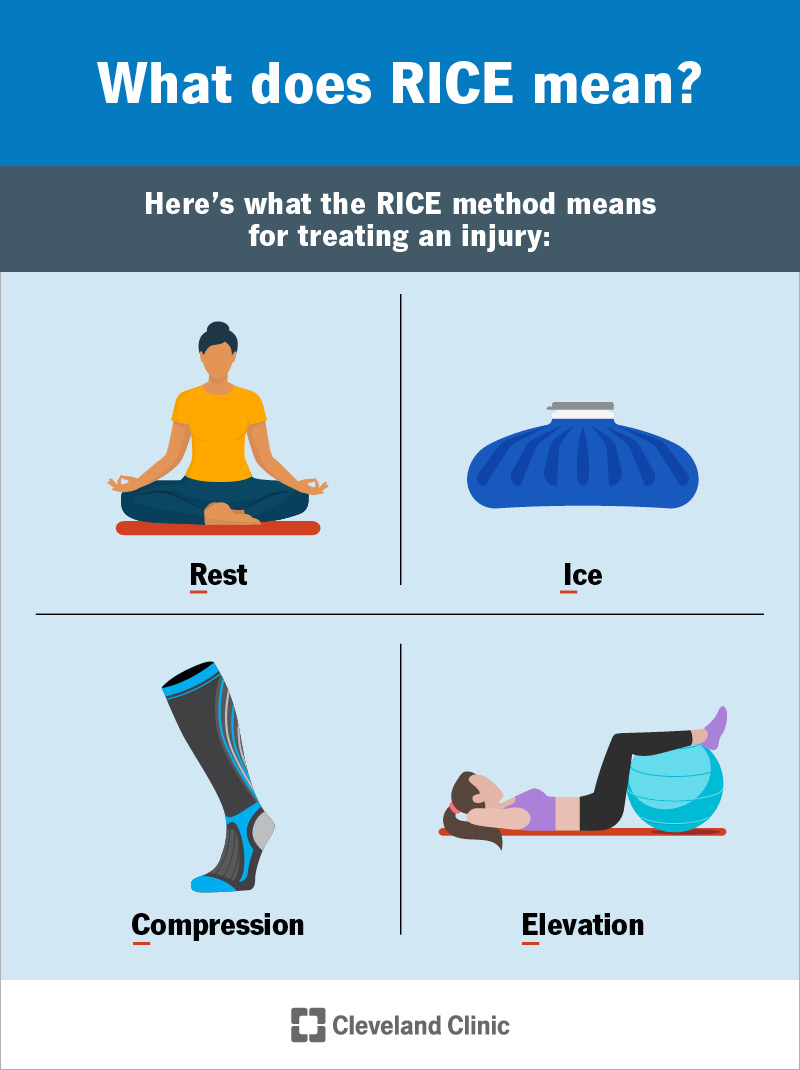
In recent years, healthcare providers have suggested some new, alternative protocols for treating soft tissue injuries at home: MEAT, and PEACE & LOVE. They recommend these for long-term recovery after the acute phase of your injury (the first 72 hours). You may still use the RICE method in the acute phase. Please consult your professional doctor to get advice if require to change to new recovery method.
 |
| my.clevelandclinic.org |
1. MEAT injury method
MEAT stands for:
- Movement. Gentle movement from time to time encourages blood flow to your injured tissues to promote healing. Let pain be your guide as to how much movement is too much, too soon.
- Exercise. As you begin to heal, you may begin to introduce specific, controlled exercises to help rehabilitate your injured part. A physical therapist can show you what to do, and how.
- Analgesia. Analgesics are pain relievers. You may need to continue to use pain relievers during your recovery to allow for enough healthy movement. Follow your healthcare provider’s advice.
- Therapy. Therapy encompasses the many long-term treatments you may need to fully recover from an injury. Your provider might recommend orthotics, bodywork or other modalities.
2. PEACE & LOVE injury method
PEACE & LOVE stands for:
- Protection. To protect the injury during healing, you might need to wear a cast, brace or splint.
- Elevation. While resting your injury, keep it elevated to reduce blood flow and swelling.
- Avoid anti-inflammatories. Providers now recommend pain relievers that don’t suppress inflammation after the first few days of recovery. That means acetaminophen instead of NSAIDs.
- Compression. A compression bandage on your injury can reduce swelling and bleeding.
- Education. This is to remind healthcare providers to educate you about your role in your own recovery. Specifically, they should encourage you to play an active rather than passive role.
- Load. Loading means gradually returning some mechanical load (weight or stress) to your injured part. Your provider might refer you to a physical therapist to guide this process.
- Optimism. Research has found that a positive approach to recovery can affect your prognosis (outlook). Believe in your own capacity to heal, and don’t neglect your mental health during recovery.
- Vascularization. This means increasing blood flow to your injured tissues. While you might use ice and compression to reduce blood flow earlier on, blood flow can help with healing later on.
- Exercise. Physical therapy can help restore strength and flexibility to your weakened tissues. This can help prevent reinjury as you return to your activities, especially for unstable joints.
A note from Cleveland Clinic
Most of us have had at least one musculoskeletal injury in our lives, and most of us have used the RICE method to treat it. It’s been the standard protocol for decades, and not without reason. It’s good for immediate relief. But when it comes to long-term recovery, it’s important to allow the process of inflammation to work. Ask your healthcare provider if the RICE method is appropriate for you.
Reference: Cleveland Clinic
Final Tips for Injury Prevention:
- Always warm up before playing.
- Do regular stretching and strengthening exercises.
- Wear proper footwear.
- Listen to your body—rest when needed.
- Seek medical advice for serious injuries.
- Immediate action is crucial—rest, ice, compression, and elevation (RICE) can reduce damage and swelling.
- Recovery takes patience—follow your doctor’s or physiotherapist’s instructions, do rehab exercises, and gradually return to playing to avoid re-injury.
Stay safe and enjoy playing soccer!
Don't forget to checkout our new Injury and Suspension list.
Hopefully we can create more quality content to help achieving our goal to "Play Smart, Always Learning, and Enjoy Your Game". We'll be back soon with more tips, so stay tuned!
No comments:
Post a Comment